Guide for parents
Osgood-Schlatter in young basketball players
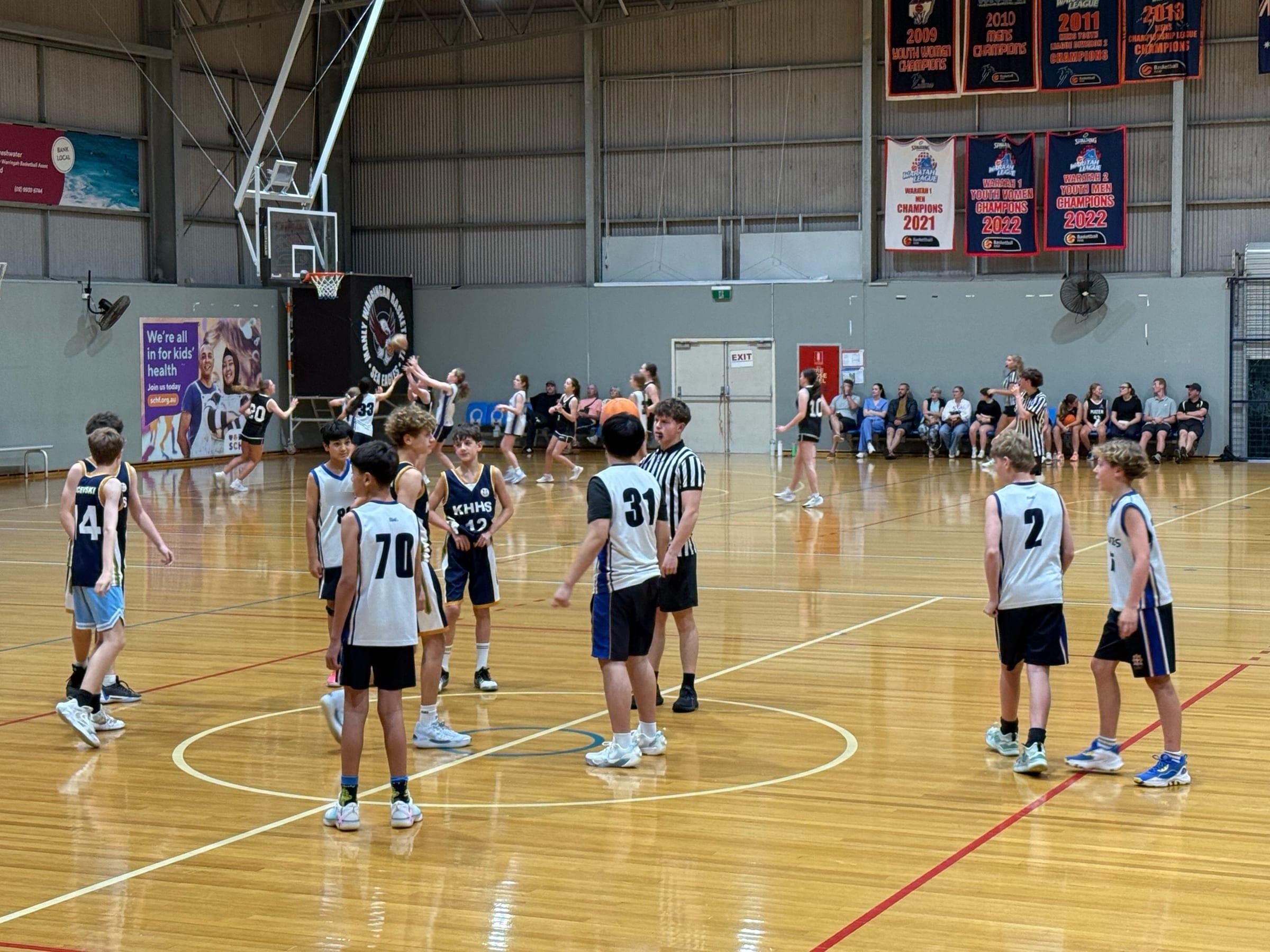
Basketball is one of the sports most often linked with Osgood-Schlatter. If your child plays, you've probably noticed the knee is worst after the busiest weeks.
Why basketball?
Jumping, landing, sprinting and quick stops all pull on the spot just below the kneecap, where the tendon attaches to the top of the shin bone. Do that hundreds of times a week during the years kids are growing fastest, and that attachment point can become sore.
When it tends to flare up
Tournaments and carnivals, back-to-back training and games, and rep or club season stacked on top of school basketball. Growth spurts can make it more noticeable too.
Managing the season
During his recovery, Ethan and his family paid attention to his overall weekly basketball schedule, rather than looking at each training session or game in isolation.
Where possible, Ethan spaced out his full training sessions and games. On lighter days, he focused on basketball skills such as shooting and ball handling, which involved less jumping and sprinting.
He also tracked how his knee felt, including the morning after games, to understand how his symptoms changed with activity.
Throughout his recovery, Ethan's sporting activities were guided by advice from his physiotherapist.
Ethan's experience
Ethan plays Division 1 school basketball. Early on he kept to modified training and shooting, built up to longer sessions by Week 6, and played his first full game since Osgood-Schlatter at the start of Week 7.
Read Ethan's story →General information based on Ethan's experience, not a substitute for advice from your GP, physio or sports doctor. What is Osgood-Schlatter?